
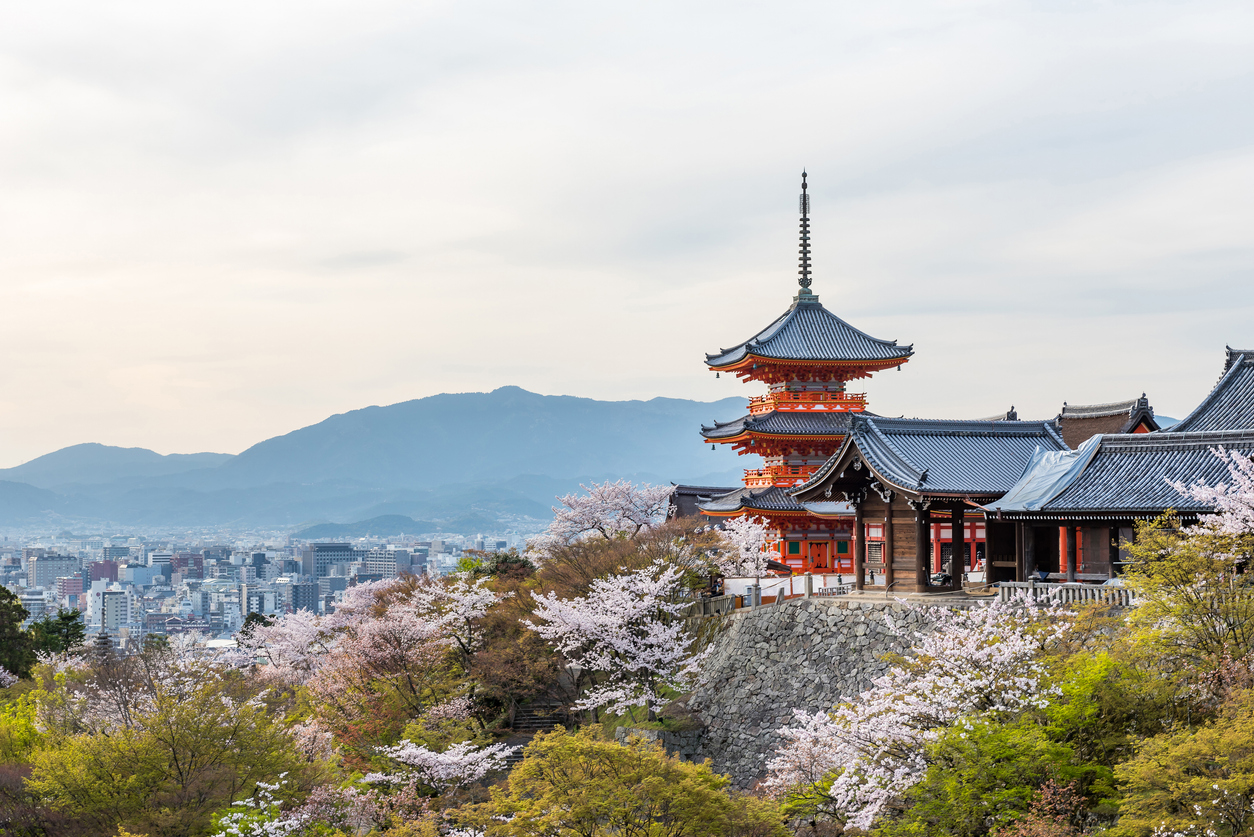
"Kyoto is the city that makes you understand why Japan is different from everywhere else."
For over a thousand years, Kyoto was the imperial capital of Japan — and it shows. The city contains more UNESCO World Heritage Sites than any other in the country: 17 temples, shrines, and castles that represent the full sweep of Japanese history and aesthetics. But Kyoto is not a museum. It is a living city, and its culinary culture — kaiseki, tofu cuisine, matcha confectionery — is as vital as its architecture.
The best Kyoto experiences require planning. The finest ryokans and kaiseki restaurants book out months in advance. Cherry blossom season (late March to early April) and autumn foliage (mid-November) are the most beautiful times to visit — and the most crowded. If you can travel in early December or late February, you will find the temples quieter and the city more itself.
"Fushimi Inari at dawn — before 6am — and you will have the lower trails almost entirely to yourself."
TastesOf Editorial
At a Glance
What Not to Miss
Fushimi Inari at Dawn
The thousands of vermilion torii gates climbing Mount Inari are one of Japan's most iconic sights. Go at first light — before 6am — and you will have the lower trails almost entirely to yourself. The full hike to the summit takes two hours and rewards with views over the city.
Arashiyama Bamboo Grove
The towering bamboo grove at Arashiyama is extraordinary at any hour, but the early morning light filtering through the stalks is something else entirely. Combine with a visit to Tenryu-ji's moss garden and a boat ride on the Oi River.
Kaiseki Dinner in Gion
Kyoto is the birthplace of kaiseki — Japan's most refined culinary tradition. A multi-course kaiseki dinner in Gion, the city's geisha district, is one of the world's great dining experiences. Book months in advance for the best restaurants.
Kinkaku-ji (Golden Pavilion)
The gold-leaf-covered Zen temple reflected in its mirror pond is one of the most photographed buildings in the world. Visit early morning or on a weekday to avoid the worst of the crowds.
Philosopher's Path in Cherry Blossom Season
The two-kilometre canal path lined with cherry trees is one of Japan's most celebrated spring walks. In late March and early April, the blossoms form a tunnel of pink above the water. One of the most beautiful walks in the world.
Ryokan Stay in Higashiyama
Spending a night in a traditional ryokan — tatami floors, futon bedding, multi-course kaiseki dinner, communal onsen — is the defining Kyoto experience. The Higashiyama district has the finest concentration of traditional inns.
Where to Stay
Aman Kyoto
Ultra-LuxuryHidden in a private forest garden above the city, Aman Kyoto is one of the finest hotels in Japan. The stone-and-wood pavilions, the private onsen, and the extraordinary garden are unlike anything else.
The Ritz-Carlton Kyoto
LuxuryPositioned on the banks of the Kamogawa River with views of the Higashiyama mountains. The spa and the Japanese restaurant are exceptional.
Hiiragiya Ryokan
Historic RyokanOne of Kyoto's oldest and most celebrated traditional inns, operating since 1818. The kaiseki dinners served in your room are among the finest in the city.
The Verdict
Japan's cultural soul — plan months ahead, stay in a ryokan, and eat kaiseki at least once.